How ACA brokers can use supplemental plans to close client coverage gaps
By The Lucie Team
Bringing up supplemental health insurance during an ACA enrollment can easily feel too much like an upsell. You want clients to think beyond their medical plan and consider coverage such as dental, vision, accident or critical illness, without making it seem like you’re just trying to add one more thing to their cart.
The conversation doesn’t have to feel that way. Start with the client’s potential risk, not a product. Look at where their medical coverage could leave them exposed and what they might actually be responsible for if they need care during the year. That can create a natural opening to talk about whether additional coverage could help fill those gaps without making the conversation feel like an upsell.
Having health insurance does not mean every health-related expense is covered. In 2024, 23% of working-age adults with year-round health insurance were considered underinsured, according to the Commonwealth Fund in its analysis of 6,480 individuals. Among those underinsured adults, 57% said they skipped needed care because of cost, and 44% were paying off medical or dental debt.
For brokers, that creates an opportunity to provide better service. You can help clients see the full financial picture before they make a decision.
Why clients don't always see health insurance coverage gaps
People don't shop for health insurance every day. Terms like deductible, coinsurance, out-of-pocket maximum, hospital indemnity, and critical illness may be familiar to brokers, but they aren't part of most people's everyday vocabulary.
Even when clients understand the individual terms, it can be difficult to put them together. A client looking at a health plan with a deductible of several thousand dollars may understand that number on paper. What they may not have considered is a more practical question:
If something happened next month and you suddenly owed $2,000, where would that money come from?
That moves the focus away from insurance terminology and toward the client's actual financial exposure. The same thinking can apply to expenses outside the medical plan. Does the client expect dental work this year? Does anyone in the family wear glasses or contacts? Could the household budget handle the costs that might follow an accident or hospital stay?
You don't need to make the situation sound scary. You simply need to make the costs visible. The gap between insured and financially protected can be significant. The Commonwealth Fund found that nearly half of adults with medical debt in its survey owed $2,000 or more.
Start with the risk, not the product
Before recommending ancillary insurance products or other supplemental benefits, look at the financial costs of the medical plan. That could include the deductible, copays, coinsurance, out-of-pocket maximum, and expenses the medical plan doesn't cover.
Then ask simple questions.
What expenses would be difficult for this household to absorb
How much does the client have set aside for an unexpected health expense?
Are there particular costs they already know they are likely to have?
Only then does it make sense to talk about whether supplemental insurance could help. The goal isn't to find a reason to recommend every available product. In some cases, the conversation may confirm that the client is comfortable with their existing coverage.
A good coverage conversation doesn't have to end with another sale. It should end with a client who better understands the choice they made.
Open enrollment is the right moment for this conversation
For brokers, those enrollment conversations are already packed with decisions: premium, network, deductible, doctors, prescriptions, metal level, household members and financial assistance. But open enrollment is also a natural time for health insurance brokers to discuss additional coverage options. Clients are already thinking about what they want their coverage and their budget to look like for the year ahead.
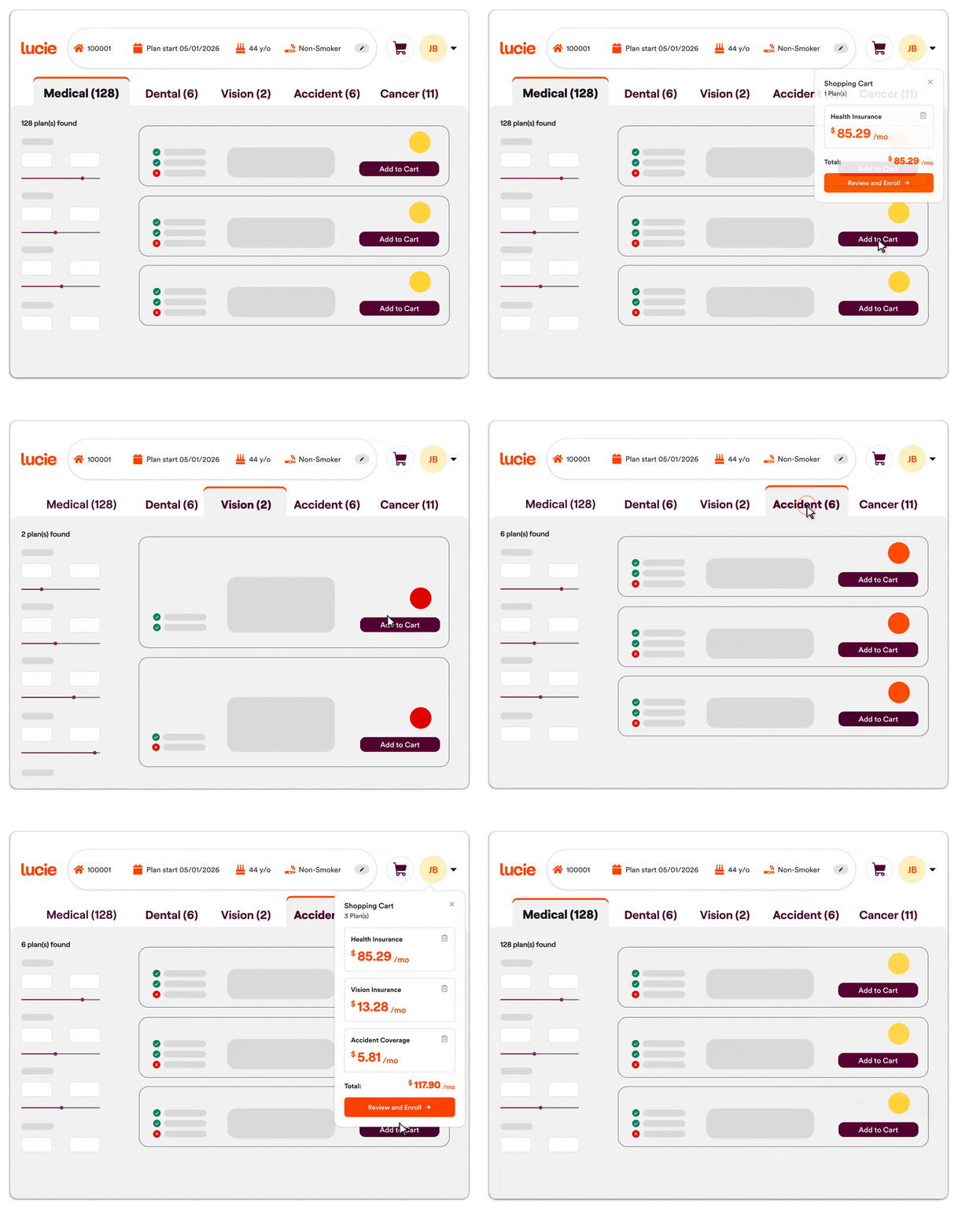
This is also where having medical and supplemental options in the same shopping experience can help. Lucie Health Marketplace, a CMS-approved EDE platform for brokers, brings ACA medical plans together with select ancillary and supplemental products in one carrier-agnostic platform. Rather than having to start an entirely separate shopping experience, brokers can use Lucie to shop and build more personalized coverage in one place.
Make recommendations in dollars, not feature lists
Insurance products come with a lot of features. Clients don't need all of them explained at once. Instead of leading with product features, show the client what those costs could mean for their budget. For example, walk through how a high deductible could affect them financially after an unexpected accident. This way, the client can first understand the cost, then consider whether additional coverage could help.
Dental coverage: Start with the dental costs the household expects.
Vision: Consider who needs glasses, contacts, or regular exams.
Critical illness: Focus on the financial impact a serious diagnosis could have beyond the medical bills.
Hospital indemnity: Talk about what a hospital stay could mean for the client's household budget.
Products are easier to understand when people first understand the problem they are meant to solve.
When the coverage conversation starts with the client's needs the recommendation carries more weight and builds trust. That's where brokers continue to add value in an increasingly digital insurance market. Technology can make it easier to compare plans, submit an application, and enroll. But choosing coverage still involves questions that aren't answered by sorting a plan list from lowest premium to highest.
What happens if I actually need to use this plan? What could I end up paying? Am I comfortable taking that risk? Is there another way to protect myself from it?
Those are coverage questions. With medical and supplemental options in the same enrollment experience, brokers can keep that conversation going while the details of the medical plan are still in front of them. Lucie helps brokers show clients not just what they’re buying, but what it could mean for their budget if they actually need to use it.